






















How to clean dirty hands and nails: all the ways to whiten them
Workers’ hands are subjected to daily stresses that amplify the risk of skin irritation, wear and tear and actual occupational diseases. Exposure of the skin to chemical and physical hazards is an inconvenience that affects workers employed across multiple sectors: professionals working in industry, as well as those working in agriculture or in green care are called upon to understand how to clean black hands and nails on a daily basis, in order to keep them in optimal condition, both aesthetically and in terms of health.
In fact, removing even the most stubborn and difficult-to-remove dirt from the skin is indispensable not only for a question of decorum, but also and above all for hygienic and sanitary reasons. When attacked by irritating substances and cleansed with inadequate procedures and products, the skin soon becomes dry, thickens, cuts and flakes, weakening, to the point of becoming enormously more prone to even serious dermatological pathologies.
Black, irritated hands are common for people working in large industries and in the mechanical engineering sector, as oils, greases, lubricants, bitumen, dust, glues and other aggressive substances make them dirty. Knowing how to thoroughly clean the hands of those working in these sectors is therefore indispensable for preserving the integrity of the epidermis over time. But it is also the substances with which those who work the land come into contact that make their hands and nails dirty: those who are farmers, gardeners or simply have a plot of land to manage find themselves struggling with dirty hands due to the action of many different substances.
What are the strategies for cleaning them in such cases? The way in which to clean hands depends on the type of dirt with which they have been stained, but in general, two tactics can be used: approaching home methods, risking damaging the skin, or relying on the help of professional hand cleaners, such as those formulated by Nettuno.
Dirty hands: how to clean them quickly
When working in industry, in the metalworking sector, but also in agriculture or along the food processing chain, it is important to know how to clean hands thoroughly, but also how to protect them before and nourish them after work shifts.
When people want to get their hands clean again, they often rely on advice from the web, which appears to be effective, but can actually be harmful to the health of the skin. The reason? They remove dirt (albeit often only partially) but do not contain ingredients that are balanced and respectful of the skin, especially that subject to frequent washing.
By choosing do-it-yourself methods, the risk of irritation, eczema, dermatitis and disabling problems is, therefore, just around the corner. Knowing home methods can be useful, but it is undoubtedly also essential to identify the best professional Nettuno products for hand protection, cleansing and care.
Agriculture and cooking: cleaning dirty hands from food
When handling plant foodstuffs for work, either during harvest or in the preparation of food for processing or for the table, it is important to be aware that many products (artichokes, grapes, pomegranates, olives and many others) contain coloured pigments that can stain the hands and become difficult to remove. When the use of appropriate PPE, such as work gloves, is not possible, it is a good idea to equip oneself with specially designed hand-washing ingredients to get clean and perfectly tidy hands in a hurry.
Let’s look at some of the most common cleaning problems in the kitchen and the DIY methods usually recommended, but let’s then dwell on the most suitable professional cleaning products that can validly replace home remedies.
How to clean dirty hands from artichokes
Handling artichokes, to process or cook them, can easily result in dark, black-stained hands and nails. How to whiten dirty hands and remove this stubborn dirt from the skin? Grandma’s remedies’ suggest using ingredients from the kitchen, such as lemon, baking soda, or corn or coconut flour. The stain-preventing action of lemon is well known and its juice alone can be used to scrub dirty hands or nails, while the creation of mixtures of lemon juice and grainy substances acts as a scrub on the skin, providing a gentle abrasive action that facilitates the disappearance of pigments.
Removing grape and pomegranate stains from hands
Grape and pomegranate juice also contain colour pigments that are particularly difficult to remove once they have penetrated the skin. Complicated, but not impossible to remove, these yellowish stains must be removed from the skin as soon as possible to prevent them from drying out, by washing hands thoroughly with soap and water immediately after coming into contact with the fruit. If this operation does not achieve satisfactory results, the stains can be rubbed with cotton wool soaked in lemon, or soaked in warm water with baking soda for a few moments before washing them again. Melaleuca oil is also considered one of the do-it-yourself solutions for cleaning black pomegranate hands or removing grape stains from the skin.
Dirty hands from walnut: a common case
Nuts are used in the food industry for the preparation of many recipes, but handling them easily leaves dark marks on the hands and under the nails, which are very difficult to remove. Besides washing hands with good quality soap and water, one can try to soften the stains with a mixture of water and vinegar, or water and lemon, or even water and bicarbonate. The action of these substances can help lighten dirty areas of the skin and the gaps between skin and nails. Brushing with olive oil or toothpaste is also often counted among the home methods for removing nut blackness.
Olive stains
Handling olives, especially black olives but not only, can leave obvious marks on the skin. How to remove olive blackness from the hands? The colour that these fruits leave on the skin is resistant and difficult to remove using normal soap. One of the first non-professional remedies for the removal of this kind of dirt is always the use of lemon juice, also accompanied by brief soaks in lukewarm water and vinegar or rubbing with a mixture of milk and talcum powder.
How to clean dirty nails?
The household substances already mentioned for cleaning the skin of the hands are the same as those suggested on the web for cleaning nails that have turned dirty. How to clean them? You can soak your fingers in a little lukewarm water, with the addition of a mild soap, and then gently scrub the area with a soft bristle brush. Alternatively, lemon, white paste toothpaste, hydrogen peroxide or bicarbonate can also be considered among the ‘grandmother’s remedies’ for cleaning black nails.
Are the described methods effective and safe for cleaning dirty hands or nails?
Not exactly. These are emergency treatments that, as mentioned, cannot be practised as true long-term hand-washing strategies. The risk one runs by choosing to clean and bleach dirty hands with non-professional products is that of severely irritating the skin, causing micro-injuries and adding further stress to what professionals’ hands already suffer during the working day.
Cutaneous eczema and dermatitis are the most common skin inflammations and are largely caused by allergy-inducing substances or irritants, which in the long run create important imbalances in the skin’s regeneration mechanisms. The symptoms of these conditions can be particularly annoying and include dryness, rashes, itching, burning, blisters, scabs and painful fissures.
In addition, skin exposed to constant stressors is at risk of becoming hypersensitised and enormously weakened, chronicising its problems and becoming a real disabling factor for those who use their hands as a working tool.
When you want to find optimal answers on how to remove black hands, is it really worth approaching DIY? No, it is better to opt for professional, purpose-designed proposals.
Nettuno to prevent and eliminate stains on hands
The real solution is to rely on products formulated with targeted and balanced ingredients that are able to remove spots from the hands with maximum effectiveness and speed, without damaging the fragile skin balance.
What to use, then, for the purpose? Nettuno’s experience has resulted in a product line specifically designed for the professional needs of farmers and gardeners, including the best skin care solutions for workers.
One of the most targeted hand cleaner is COLOR Special, the Nettuno suggestion for dyes and pigments. Its use is perfect when you want to remove dirt from the skin with the accuracy of a product without solvents or silicones, but with the effectiveness of abrasive microspheres of natural origin and the emollient power of sericin.
Hand cleaning formulations, such as MacroCream, Linea Più or Manipulite Cremagel, are also perfect for protecting those who work in agriculture, gardening or food preparation, as well as those who carry out these activities in a semi-professional or hobby manner. Indeed, the skin always deserves the utmost respect, because it is the protective barrier that is indispensable for our well-being.
Nettuno’s range of products for agriculture and gardening also includes practical handwipes, such as Sendy Wipes, which can also be used conveniently off-site, as well as indispensable products for protecting the skin and nourishing it after a work shift.
Why put your skin at risk with washing methods that are hazardous to its health, when you can choose effective, dermatologically tested professional products? Explore the Nettuno catalogue dedicated to the green care sector to find out which solutions are best suited to your needs.
Contact us if you need help or ask your trusted Nettuno dealer for detailed information!
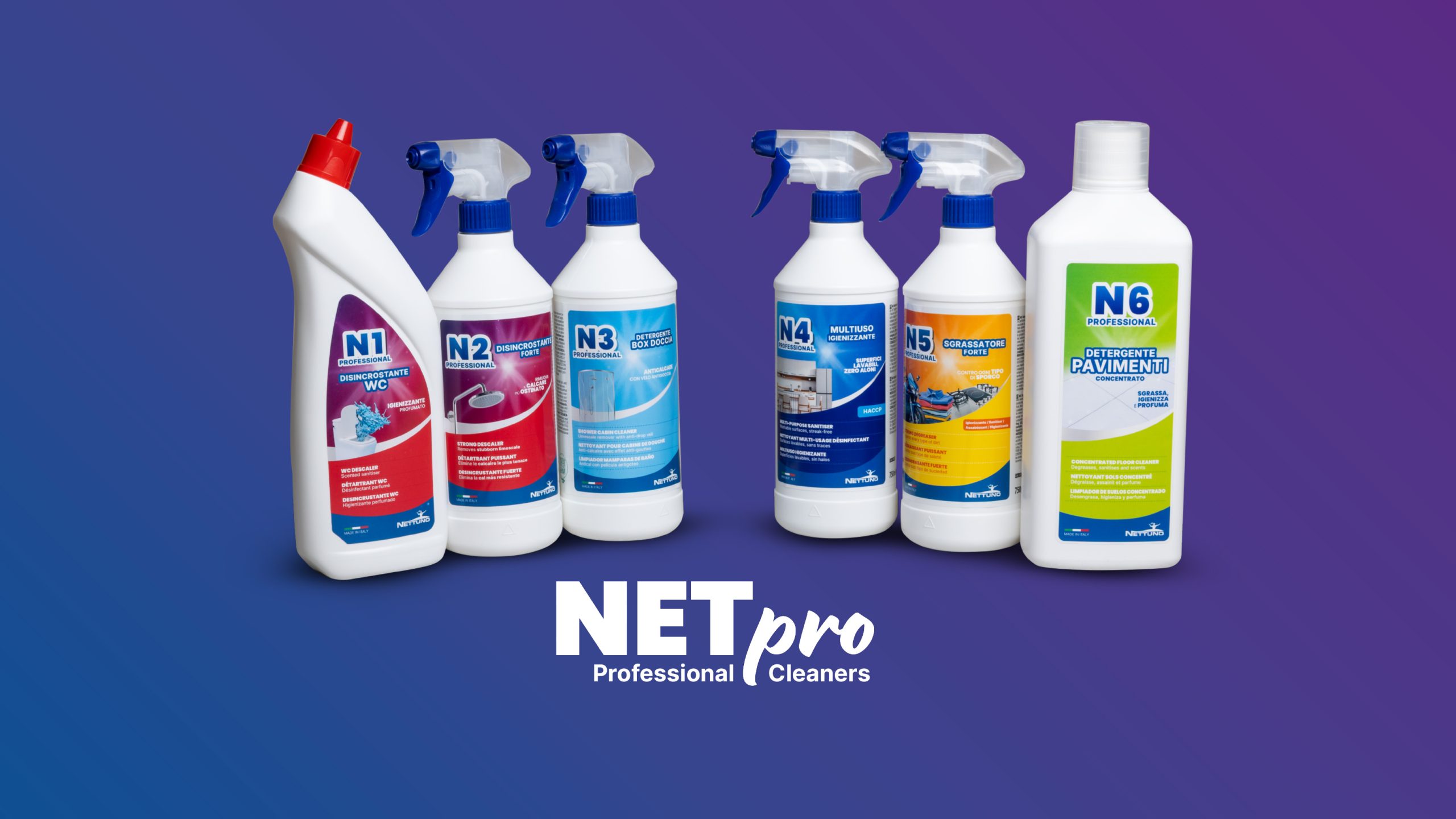
NETpro Nettuno | Professional Cleaning Products for Bathrooms and Surfaces
NETpro is the new range of professional cleaning products by Nettuno, designed for those seeking ...
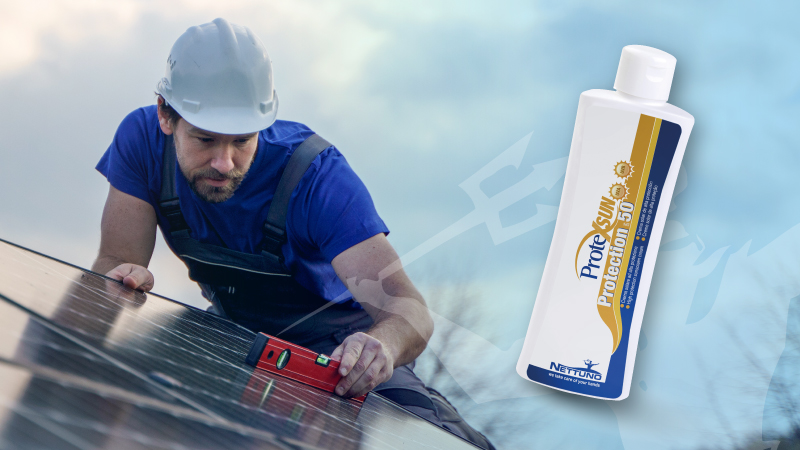
Protecting your skin from the sun: strategies and products for working outdoors
Exposure to ultraviolet radiation is an often underestimated risk factor, but UV radiation presents ...
Occupational disease: risks for the company
The Ministry of Labour and Social Policy offers this general definition of occupational disease 'any ...